
Who Was Albert Ojwang?

Albert Omondi Ojwang (1993/94–June 8, 2025) was a 31‑year‑old Kenyan secondary school teacher from Kakoth village in Homa Bay County and a blogger known for his frank commentary on social and political issues. An alumnus of Pwani University, he was also a proud new father, married to Nevinina Onyango nation.africa+15en.wikipedia.org+15washingtonpost.com+15. On social media—particularly on X—Ojwang spoke out about governance, police accountability, and civil rights, making him a familiar voice in discussions around democracy and justice in Kenya.
What Really Caused His Death?
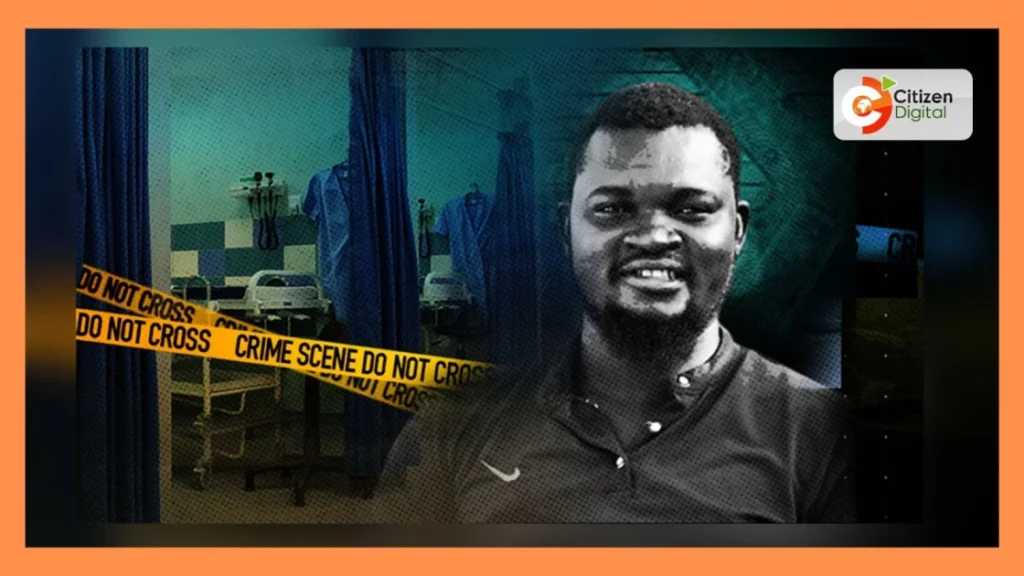
On June 6, 2025, Ojwang was arrested in Homa Bay after being accused of defaming Deputy Inspector General of Police Eliud Lagat. He was swiftly transferred to Nairobi’s Central Police Station, where two days later he was found unconscious in his cell and pronounced dead at Mbagathi Hospital apnews.com+8en.wikipedia.org+8apnews.com+8.
Initial police statements attributed his death to suicide or an accidental head injury. However, a subsequent independent autopsy painted a very different picture: Ojwang had suffered severe head trauma, neck compression, and widespread bodily injuries consistent with assault—not the result of self‑harm ft.com+5en.wikipedia.org+5apnews.com+5.
Following these findings, high-ranking officers, including the station commander, were arrested, and Deputy Inspector General Lagat stepped aside from overseeing the case reuters.com+2reuters.com+2apnews.com+2. The Independent Policing Oversight Authority (IPOA) has taken charge of the investigation.
What Sparked the Nairobi Protests?
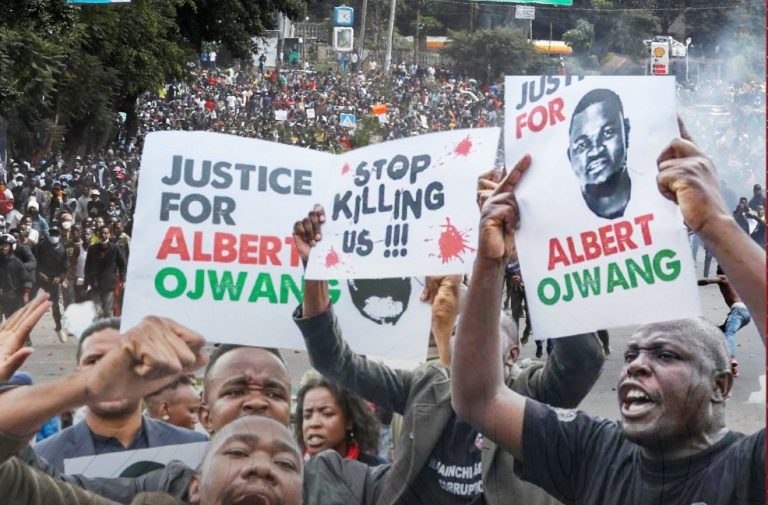
Albert Ojwang’s violent death is the latest flashpoint in a broader pattern of alleged police brutality and extrajudicial killings in Kenya. In the past year, dozens have died during demonstrations against tax hikes and enforced disappearances, with young people increasingly at the forefront nation.africa+10reuters.com+10reuters.com+10.
Why now?
- Public distrust in the police has deepened, with independent investigations often contradicting official versions of events .
- Ojwang’s case struck a chord—a young teacher, activist, new father, silenced in custody.
- Moored in memory, the protests recall a year ago when more than 60 protestors were killed during unrest over a finance bill. Many observers feel little has changed standardmedia.co.ke+10reuters.com+10nation.africa+10nation.africa.
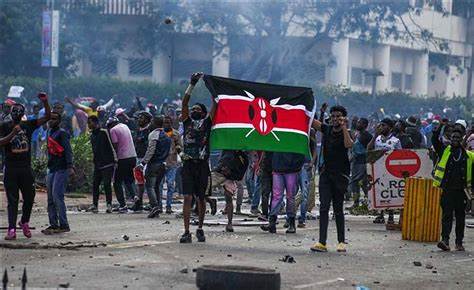
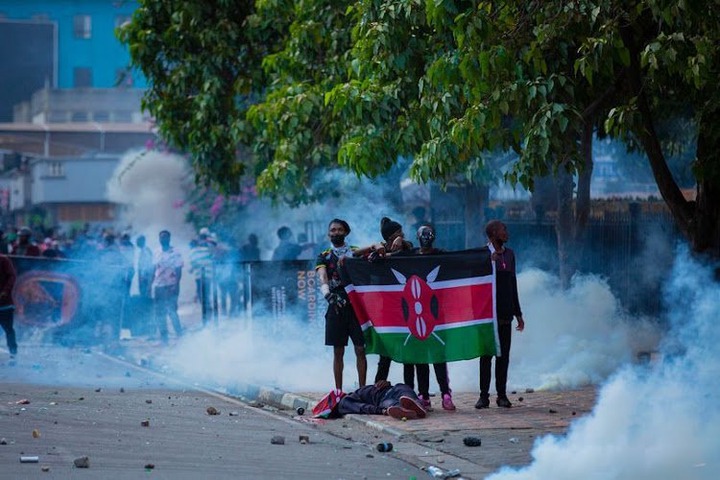
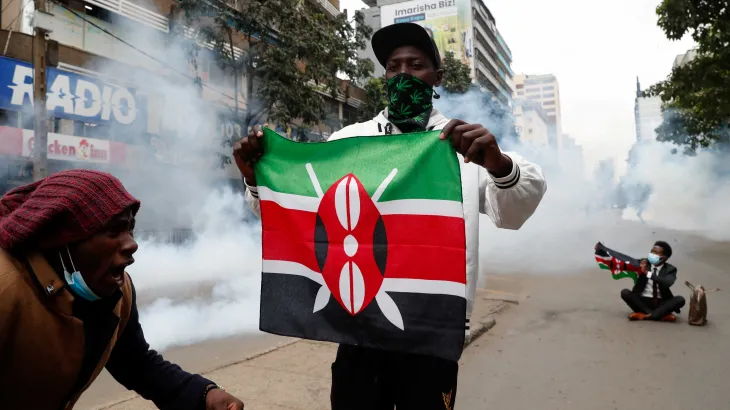
Since June 9, a series of demonstrations have taken place in Nairobi and Mombasa. On June 17, protests turned tense: tear gas was deployed, vehicles were set ablaze, and unidentified motorcycle-backed attackers assaulted demonstrators . Protesters carried placards reading “Stop killing us” and called for accountability from President William Ruto’s administration. Ruto himself described Ojwang’s death “at the hands of the police” as “heartbreaking and unacceptable.” Two senior officers and a CCTV technician have been arrested, and the Deputy Inspector General has stepped aside washingtonpost.com+5reuters.com+5reuters.com+5.
What Comes Next?
- Ongoing Legal Proceedings
- IPOA continues investigations. Several officers, including senior commanders, remain in custody pending charges theguardian.com+1en.wikipedia.org+1reddit.com+3reuters.com+3theguardian.com+3.
- National and International Scrutiny
- Local pressure from human rights groups is mounting, and international voices, including the U.S. Embassy, are urging transparent investigations eastleighvoice.co.keen.wikipedia.org.
- Renewed Call for Police Reform
- Protests demand fundamental change in how the police operate—with stronger accountability systems, judicial oversight, and the prosecution of crimes committed by state agents.
- Political Pressure and Public Rebellion
- The movement, comprised largely of disillusioned youth, is pushing broader societal demands: justice, fairness, and an end to systemic violence. They’re not just mourning Ojwang—they’re channeling a collective voice for change.
Blog Conclusion
Albert Ojwang’s death isn’t an isolated incident. It is a chapter in Kenya’s ongoing struggle to reconcile state power with respect for human rights. His death during arrest, and the revelations of assault, ignited a national reckoning. The protests in Nairobi and beyond signal a watershed moment: Kenyans, especially the younger generation, demand that “never again” mean more than just words.
What role can civic voices and legal institutions play in ensuring justice? Will Kenya heed this moment and reform? As Ojwang’s legacy grows, these are questions the country must answer—if it hopes to build trust between the state and its citizens.https://www.reuters.com/world/africa/senior-kenyan-policeman-arrested-over-death-blogger-custody-2025-06-13/?utm_source=chatgpt.com
To end the protest over Albert Ojwang’s death and address the broader crisis of government-led violence against youth in Kenya and across Africa, we must look beyond temporary political statements or arrests. The solution must be systemic, sincere, and African-led.
Immediate Solutions to End the Protests:
- Full Accountability:
- Arrest and prosecute all those involved in Albert Ojwang’s death—not just low-ranking officers, but any commanding authorities who gave illegal orders.
- Ensure the case is handled transparently and independently, with public access to proceedings.
- Government Admission & Apology:
- The President and police leadership must publicly admit wrongdoing, issue a sincere apology to the family, and acknowledge patterns of abuse.
- Protection for Activists & Whistleblowers:
- Guarantee the safety of those who speak up. Protesters, journalists, and civil rights advocates must not be harassed or threatened.
- Dialogue with Protest Leaders:
- Organize immediate roundtables with youth leaders, civil society, and government officials to address grievances and agree on reforms.
Long-Term Solutions for Africa to Prevent Youth Killings:
1. Reform Police from the Ground Up
- Demilitarize the police: Shift focus from control to protection and service.
- Community policing: Recruit and train officers from within the communities they serve.
- Human rights training: Include trauma, de-escalation, and conflict resolution in standard police education.
2. Independent Oversight Institutions
- Establish stronger, well-funded civilian-led oversight bodies with power to investigate and prosecute police misconduct without political interference.
- Give citizens the ability to file complaints directly and anonymously.
3. Invest in Youth, Not Guns
- Governments must shift budgets from police militarization to education, job creation, digital empowerment, arts, and mental health services.
- Economic despair often fuels crime and protest. Empowered youth are less likely to be targeted—or to rise in anger.
4. Civic Education and Constitutional Awareness
- Educate the public—especially the youth—about their rights, the law, and how to demand accountability through legal and peaceful means.
5. Pan-African Solidarity and Monitoring
- The African Union and regional blocs like ECOWAS and EAC must hold each member state accountable for human rights abuses.
- A Pan-African Citizen Rights Observatory could track police killings, publish data, and offer emergency response support.
The Way Forward: A Youth-Led, Justice-Centered Africa
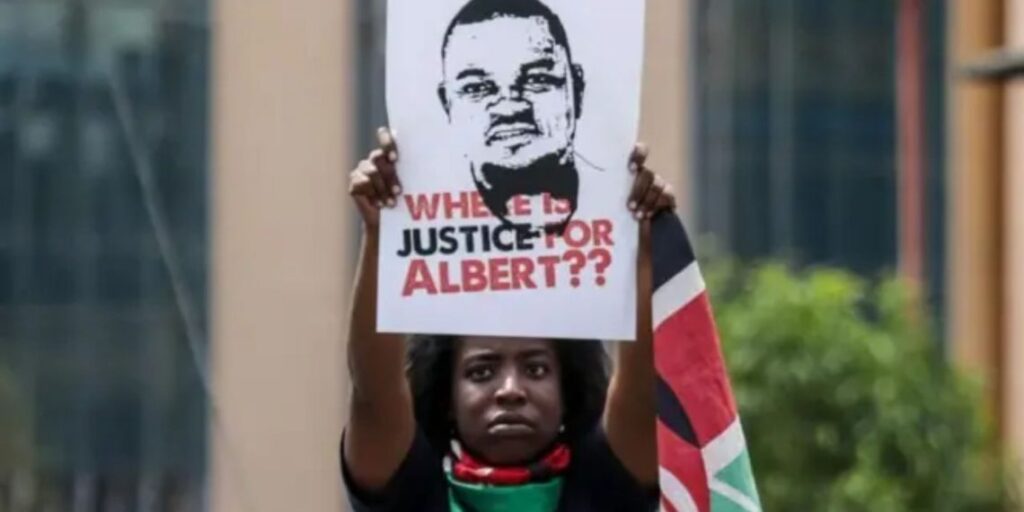
This struggle is bigger than Albert Ojwang. His death is a symbol of how African governments often treat their own youth as a threat—not a promise.
Africa must pivot:
- From state oppression to civic participation.
- From youth criminalization to youth leadership.
- From silence to healing and justice.
The future belongs to the youth—but only if we stop burying them.
Let this be a turning point. Not just for Nairobi. But for the continent.